
It’s complicated.
Let me start by saying that binging a Darren Star show was on my To-Do List much the way playing a five hour card game “War” with an eight-year-old was.
Still, it was the #1 show on Netflix and I decided to go with the populist choice.
Many hours later —
I’ve been seduced by it all, and while I know it is a calorie-free confection, I still feel bloated and unsatisfied. It has grown-up Disney princess vibes: Multiple Prince Charmings, an impossibly drawn protagonist, fairy godmother wardrobe, and Lily Collins’ eyebrows.

Don’t overthink it.
Don’t overfeel it.
Too late.
You know what bothers me? Emily in Paris serves the same unhealthy message sent to women / girls since forever ago, only now it’s much worse.
The protagonist is flawless, ie: stunning, painfully thin, and Instagrammable. She’s a spunky mannequin. In fact, that’s the whole point. She travels for work in her dream job, leaving her dream man (for several dreamier men) and is confronted by a middle aged antagonist (a nod to the aging step-mother in Snow White?) before landing the COOLEST bff on the planet. Even her colleagues are perfection.
I know it isn’t real life but my subconscious isn’t up to speed.
In 1999, the New York Times published an article by Erica Goode, noting how a “few years after the introduction of television to a province of Fiji’s main island, Viti Levu, eating disorders — once virtually unheard of there — are on the rise among girls.” According to a study, “Young girls dream of looking not like their mothers and aunts, but like the slender stars of ”Melrose Place” and ”Beverly Hills 90210.” Prior to this, “you’ve gained weight” was considered a compliment, not body shaming. But, that changed because #HOLLYWOOD.
As a teen, and still throughout my life, I’ve struggled with disordered eating. And let me add, that as a Jewish woman, food and meals are the gravity of our religion. There is no avoiding the drug. And like most people, I own a mirror and clothes.
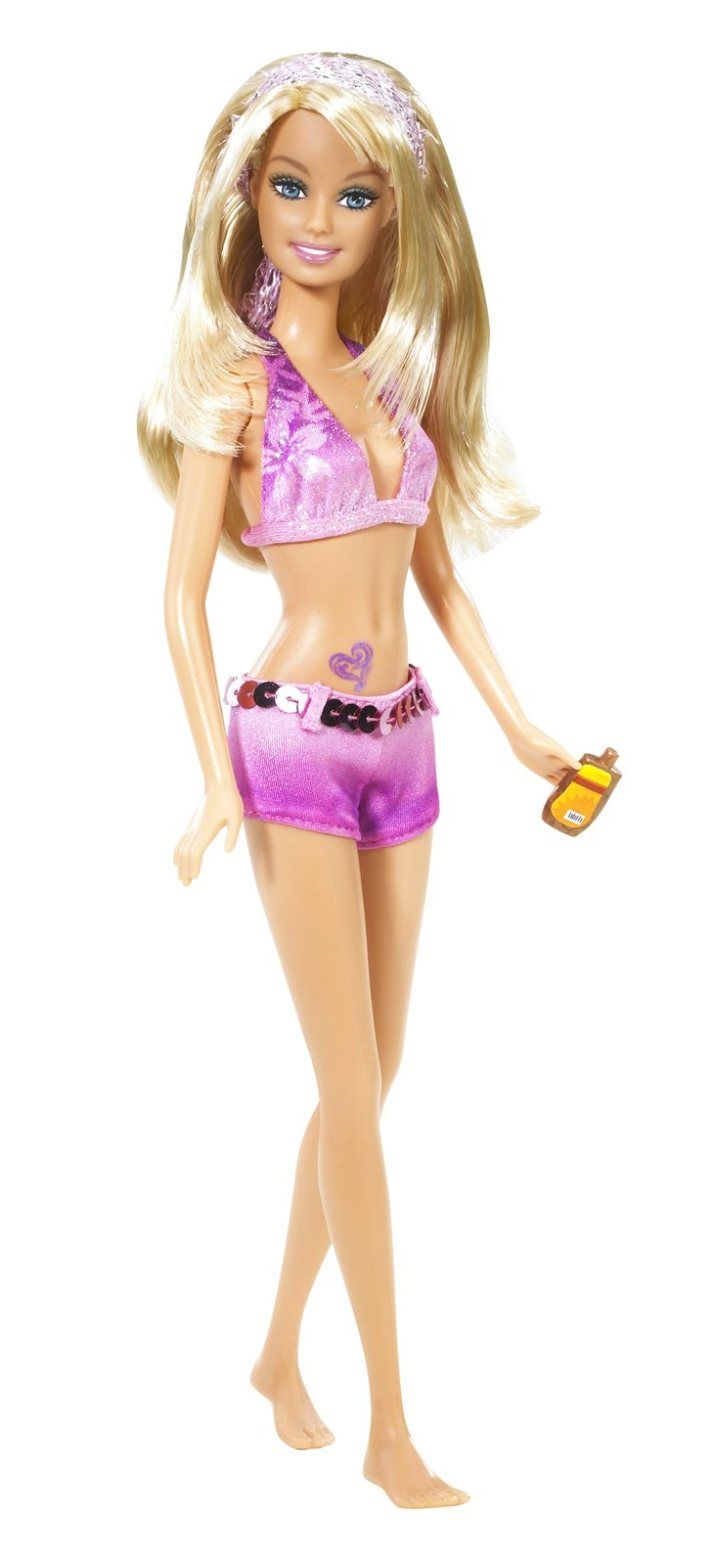
My battle started when I was 11. Yes. ELEVEN. Perhaps I was precocious but I knew my Barbie dolls and favorite Disney characters had waists they could encircle with their fingers.
I knew that I had friends who just looked better in clothes. I saw fat on me and did the math. It was bad.
It was bad.
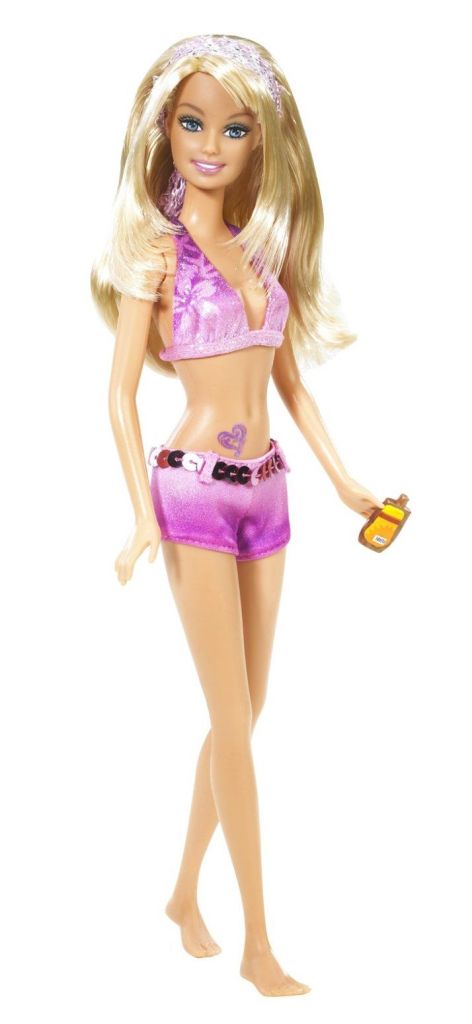
I believed commercials, magazines, and any ad that told me what to look like, what to weigh, but understood how utterly unachievable the quest for perfection truly is – yet I would continue to seek it for the rest of my life.
This is the message that media sends to women every day. Now, with our obsession with 24/7 social media, we send it to ourselves. In a world where social justice has become the engine to fix societal norms, it may seem “petty” and “deranged” to rail against a silly TV show like Emily in Paris and say “Please… stop.”
But this is coming from a place of pain, confusion, experience, and concern for young women everywhere, who exist in both real AND virtual image conscious worlds…
…not just in Paris.
 🌺 🌺 🌺 🌺🌺 🌺 ᗷEᗩᑌTY, ᗷOOKᔕ, ᗷᖇOᗩᗪᗯᗩY, ᗷOYMOM, ᗷEᗪᒪᗩᗰ, & OTᕼEᖇ Vainglorious Pursuits